Blog di chargeback
Our blog teaches you everything you need to know about chargebacks and the payment industry. As well as some case studies from us.

How to Streamline Refund Processes to Avoid Chargebacks
A fast, visible refund workflow gives customers a clear alternative to filing a chargeback and shows merchants where delays create disputes.

What Is a Merchant Account? How It Works, What It Costs, and What Puts It at Risk
A merchant account temporarily receives settled card funds, and its pricing, underwriting, and exposure to reserves or closure depend heavily on a merchant's dispute ratio.

What Is a Payment Facilitator (PayFac)?
A payment facilitator lets other businesses accept card payments under its own master merchant account, and when a sub-merchant can't cover a chargeback, the payment facilitator ends up paying it.
What Is an Independent Sales Organization (ISO)?
An independent sales organization (ISO) is a third-party company that sells and manages merchant accounts on behalf of an acquiring bank, never holding funds or processing transactions itself, so the sponsoring bank carries the risk and reserve terms for every account the ISO signs.
What is a fraud score?
A fraud score is a number or risk category that a payment processor or fraud tool assigns to a transaction to estimate its likelihood of being fraudulent. Merchants use it with rules and other checks to decide what happens next.

What Is a Chargeback Analyst? Role, Salary, and Hiring Guide
A chargeback analyst investigates disputes, evaluates evidence, and prepares responses that help merchants recover revenue.
Chargeback Arbitration: Costs and When to File
Chargeback arbitration is the binding final dispute stage, and its network-specific fees, filing windows, and expected recovery determine when an acquirer should file.
What Is a Card Network?
A card network sets the rules that connect banks, processors, and merchants, including the reason codes, evidence requirements, and deadlines that govern disputes.
What Is an Authorization Hold?
An authorization hold temporarily reserves available credit or funds on a customer's card account after the issuer approves the payment request. The hold releases when the transaction is finalized or the hold expires, with timing depending on the bank and transaction.
What Is Regulation E?
Regulation E is the federal rule implementing the Electronic Fund Transfer Act, giving consumers dispute rights and capped liability on unauthorized debit, ACH, and P2P transfers, with a bank decision required in 10 business days (or 45 with a provisional credit).
What Is a BIN Attack?
A BIN attack uses a known card-number range to test generated payment details, and merchants can spot it through rapid low-value attempts and stop it with velocity, CVV, AVS, and bot controls.
Mastercard First-Party Trust: How It Works vs. CE3.0
Mastercard First-Party Trust shifts liability to the issuer when device, delivery, and identity data match, unlike CE3.0's prior-purchase requirement.
Generative AI Fraud: What It Means for Merchant Chargebacks
Generative AI fraud accelerates familiar fraud tactics with fake identities, media, and dispute narratives, while durable device, IP, and purchase-history evidence remains effective in a response.

Loyalty Fraud: How Stolen Points Become a Chargeback
Loyalty fraud exploits rewards accounts or points, and only card-linked losses can become merchant chargebacks, making account and redemption controls the practical defense.
Acquiring Bank vs. Issuing Bank: What's the Difference?
An acquiring bank processes a merchant's card payments while an issuing bank issues the cardholder's card and authorizes the purchase, and only the acquiring bank can fight a chargeback for the merchant.
What Is Account Updater?
Account updater is a card-network service (Visa and Mastercard) that automatically refreshes stored card numbers and expiration dates so recurring charges don't fail on stale cards and turn into cancelled-recurring disputes.
What is account takeover fraud?
Account takeover fraud is unauthorized access to a real customer's account used to buy goods or steal stored payment data, and it files as true fraud (much harder for a merchant to fight) rather than friendly fraud.

Reasons Chargebacks Get Denied and What to Do Next
Chargebacks get denied when the claim, evidence, or filing window fails the network's rules, and the next step depends on whether the gap can still be corrected or escalated.
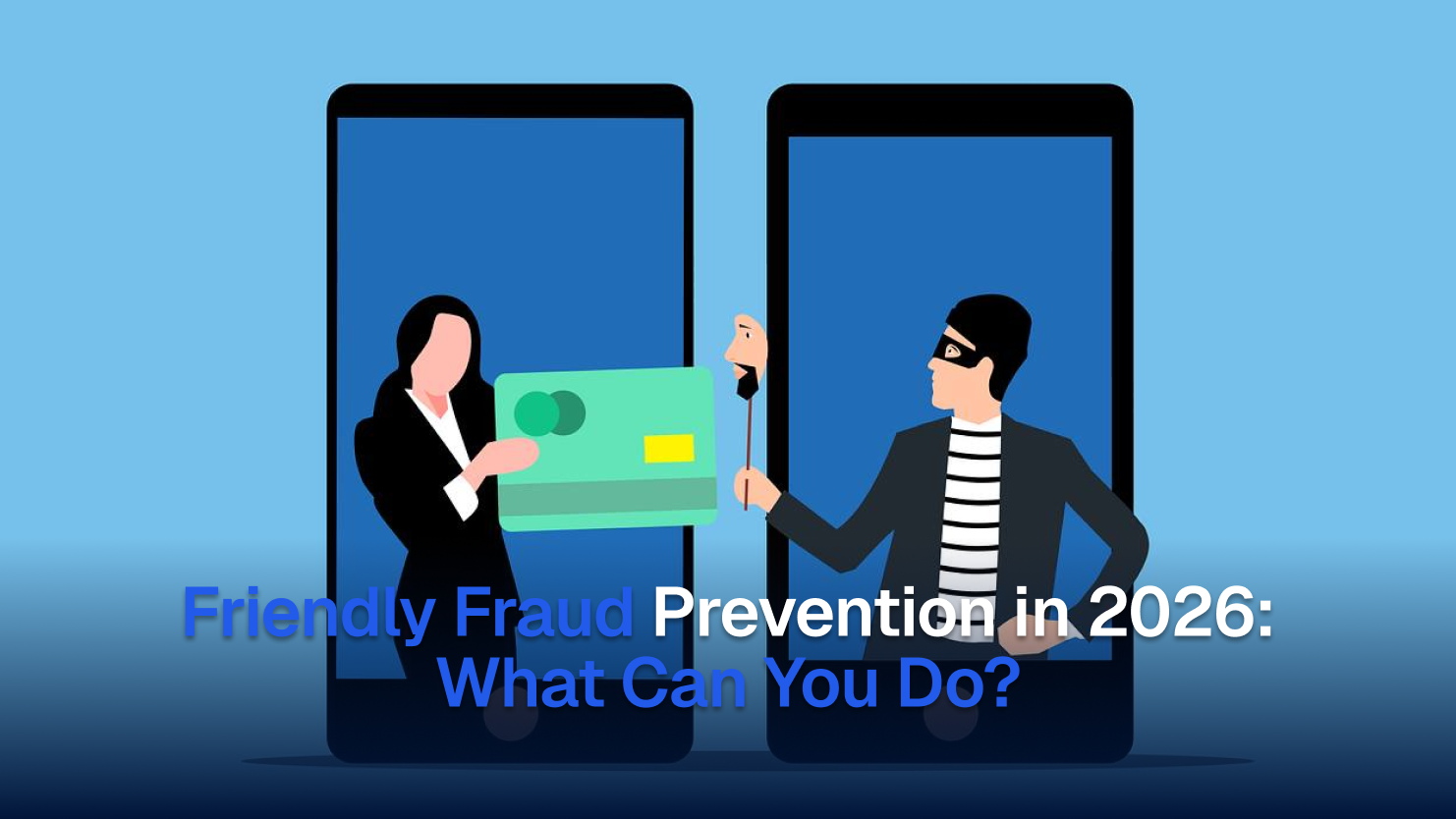
Friendly Fraud Prevention: 7 Ways to Stop It
Friendly-fraud prevention combines recognizable billing, refund access, transaction evidence, and alerts to stop valid customers from disputing legitimate charges.

What Is Friendly Fraud? Definition, Types, and Warning Signs
Friendly fraud is a real customer disputing a charge they actually made or authorized, already accounting for roughly 20-22% of chargebacks and projected to keep growing, and it's distinguished from chargeback fraud and true fraud by who disputed and whether they knew the purchase was real.
WooCommerce Chargebacks: Prevention and Response by Gateway
WooCommerce chargebacks are controlled by the chosen payment gateway, so the response deadline, evidence process, fee, and prevention options vary by provider.

BigCommerce Chargebacks: Why Your Payment Gateway Decides
BigCommerce routes each dispute through the merchant's payment gateway, making gateway-specific fees, evidence workflows, and the provider fee central to prevention and response.
ACH Fraud: How It Works and Who's Liable When It Hits
ACH fraud uses unauthorized account or routing data or compromised bank access to move money, and liability turns on whether the affected account is consumer or business and how quickly it is reported.
Card-Not-Present Fraud: What It Is and Who Pays
Card-not-present fraud occurs when stolen card details are used without the cardholder or card present, usually shifting the loss to the merchant unless authentication changes liability.
Adyen Chargebacks: Fees, Reason Codes, and Second Chargebacks Explained
Adyen chargebacks follow the card networks' reason codes and defense process, with fees, deadlines, second chargebacks, and arbitration determining whether a case is worth fighting.
Riduci il tasso di controversie oggi
Unisciti a oltre 800 aziende che utilizzano Chargeback per prevenire i chargeback automaticamente: la configurazione richiede meno di 2 minuti.
